
15 Nov Industrial Repositioning
Point of View:
Industrial Repositioning – Designing for Today & Planning for Tomorrow
At a time when many markets have been negatively impacted by the pandemic, one sector that has seen positive gains in the wake of COVID is the design and repositioning of industrial and logistics properties. According to international commercial real estate services company JLL’s latest Industrial outlook, “The logistics sector continues to benefit from the huge shift in online buying……Tenant touring activity and move-in’s strengthened relative to the beginning of the year, rents continue to climb, annual absorption is on track to close at 200 million square feet, and deliveries hit an all-time high.”
Industrial complexes appear, at least on the surface, as simple, utilitarian arrangements surrounded by acres of blacktop.
In reality these campuses require high levels of site utility and function across a myriad of systems. Designs for well-planned and executed industrial developments draw on operations, production, manufacturing, environmental and code expertise for competitive edge.
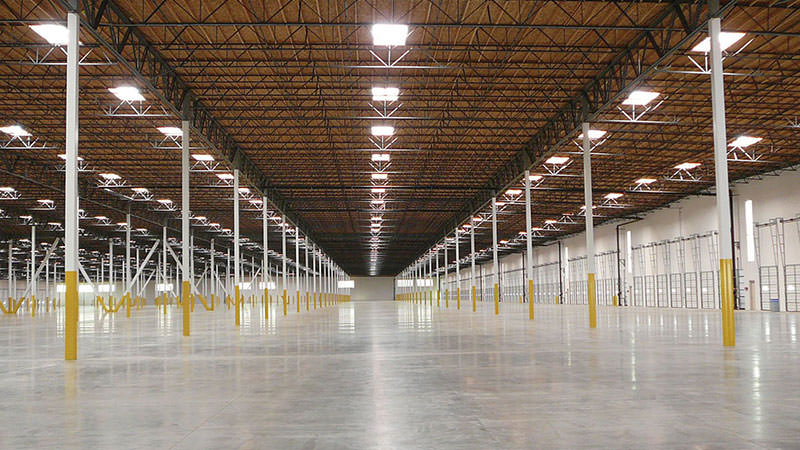
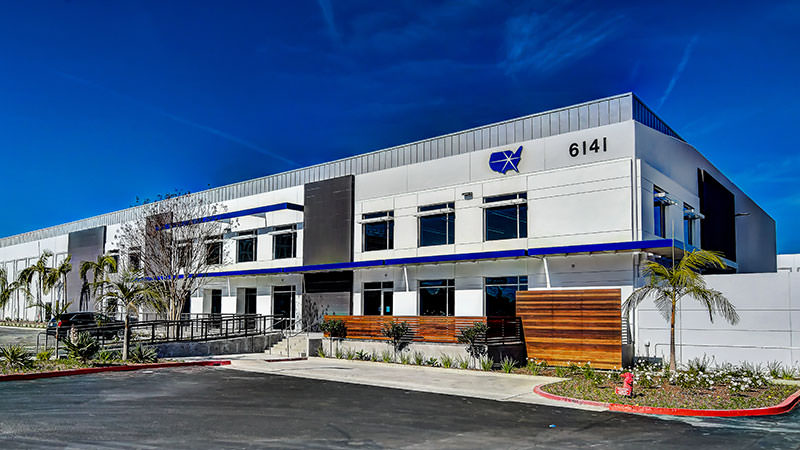
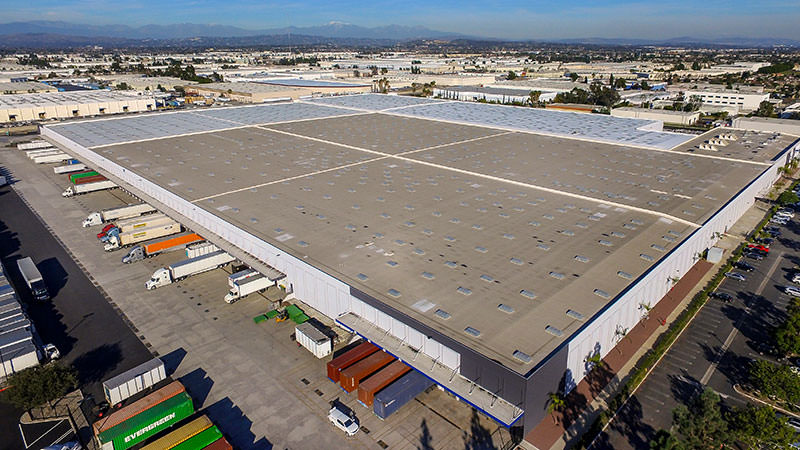
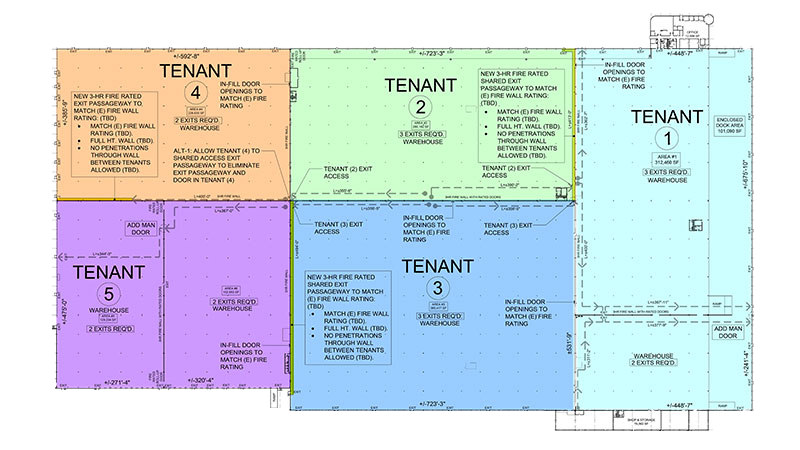
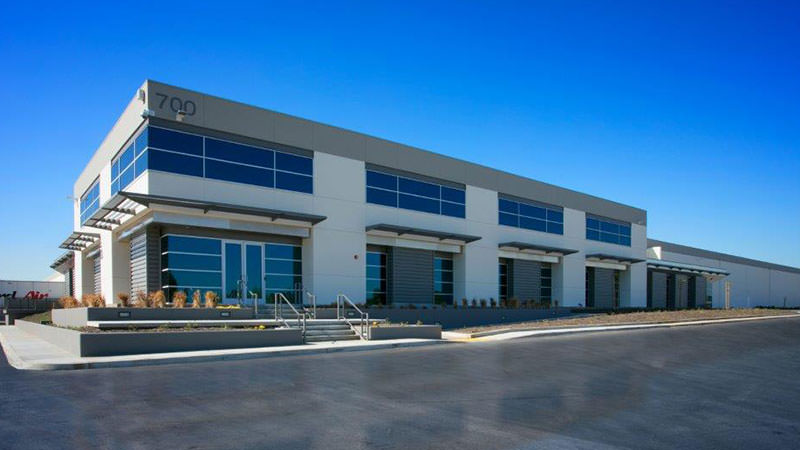
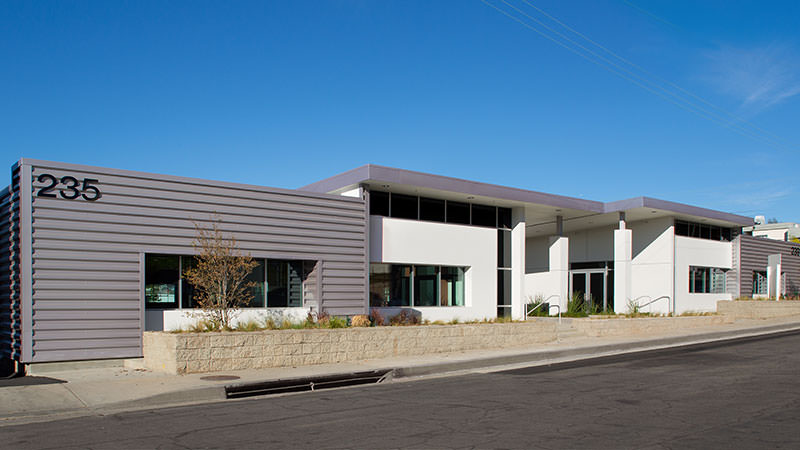
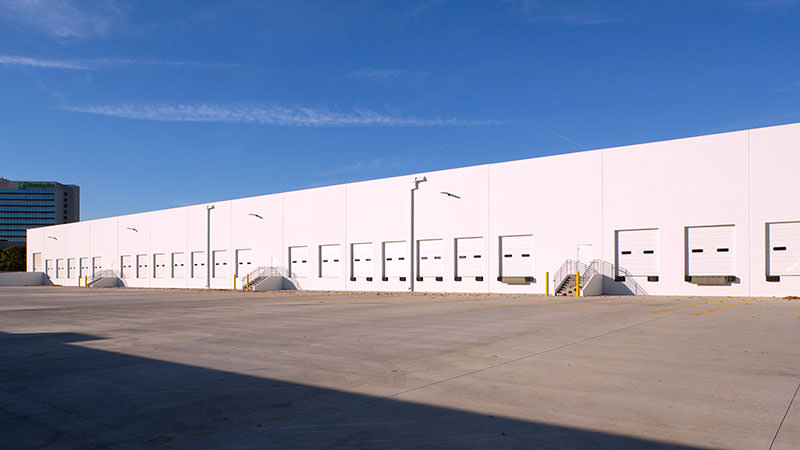
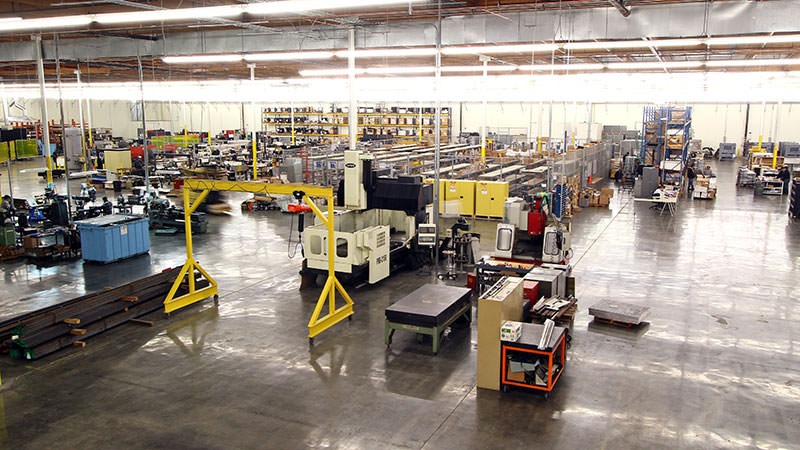
In Southern California, a region that boasts being the largest industrial center and one of the busiest distribution centers in the nation, designing to the highest levels of detail can mean the difference between efficiency, agility and Class A designation, or disorganization, cumbersome circulation and properties that aren’t attractive to tenants or prospective employees.
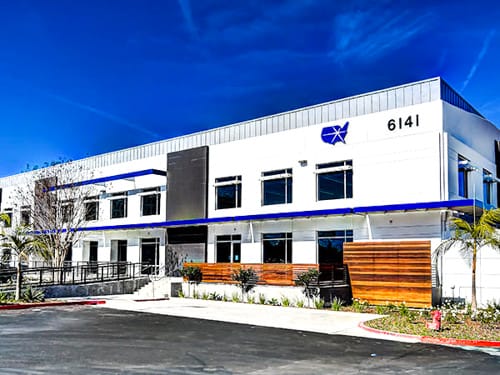
Withee Malcolm’s experience in new and repositioned industrial complexes dates back decades, and includes properties for automotive, aerospace, food processing, manufacturing, warehousing and distribution companies. Senior-level Principals and Project Managers apply their expertise to test fits, planning and entitlement documents, and full design and construction for end users, developers, owners, and brokers. For every project we examine a range of issues, generally grouped as site considerations, building considerations and aesthetic, amenity or environmental considerations. Following are the specifics under each category, which ensures we evaluate projects for site utility, function, and aesthetics.
Site Considerations
- Quantity of trailer parking spaces
- Fire lane access around the building
- Truck circulation around building (one-way vs two-way traffic)
- Easy truck access in and out of the site
- 135’ truck yard distances (offering full or reasonable access)
- Visual and acoustic truck yard screening
- Employee and visitor parking per building use
- ADA access (parking, path of travel, etc.)
- Supportive site equipment (lighting, hydrants, sprinkler risers, trash enclosures, etc.)
Building Considerations – Office
- Exit travel distances that meet current codes (single tenant and multi-tenant)
- Multi-tenant opportunities
- Proper office sizing relative to warehouse space
- Workplace flow and efficiencies
- Restrooms (number and ADA compliance)
- Fire sprinkler systems (code compliance and flexibility for future uses)
Building Considerations – Warehouse
- Dock loading (depth, shape)
- Adequate dock doors (per size of the space, tenant needs, owner desires)
- Ramp access or grade level doors
- Multi-tenant opportunities
- Fire protection (access doors, fire exit corridors)
- Electrical service (per space uses, future tenant needs, owner desires)
- Natural Lighting (clerestory windows, skylights)
- HVAC versus climate controlled
- Restrooms (number and ADA compliance)
- Fire sprinkler systems (code compliance and flexibility for future uses)
Aesthetics, Amenities and Environmental Upgrades
- Exterior design / general curb appeal (façade modernization, paint, concrete polishing, signage)
- Interior design appeal (finishes, ceilings, etc)
- Daylighting in office and/or warehouse
- EV charging stations
- Clean air vehicle parking spaces
- Energy efficient lighting and controls / LED lighting upgrades
- Energy efficient glazing
- Energy efficient HVAC systems
- Low water usage plumbing fixtures
Previous Posts