
15 Jun Healthy Buildings
Point of View:
Healthy Buildings – Designing for Today & Planning for Tomorrow
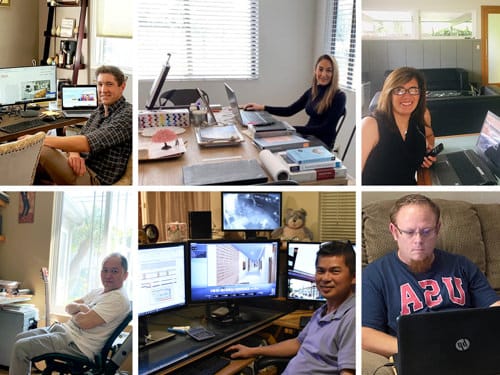
The second installment in our blog series Design and Construction in a Post-COVID World takes a look at Healthy Buildings; things we’ve explored previously and new approaches that promote good health. We see the design community’s response to COVID as a way we can all help the Healthy Building Movement continue to gain momentum, even after the immediate issues surrounding social distancing, isolation and working from home have eventually subsided.
The term healthy buildings can encapsulate a lot of things. While development and design of healthy buildings goes hand-in-hand with environmental sustainability, the primary focus is towards the human perspective rather than a largely environmental one.
Consciously applying strategies to enhance the well-being of tenants and occupants has long been a part of Withee Malcolm’s design process, but in more recent years, and now in tandem with client imperatives, it’s a mindfulness of the broader implications, from equity to productivity to beauty.
Through this first wave of the coronavirus, we have been asked by clients to examine specific materials and interior programming, but we also are re-examining design strategies that can assist in larger well-building efforts.
Sam Lubell’s article in the Los Angeles Times, the piece that inspired this series, mentions how many of us have become hyperaware of the shortcomings of our surroundings. Now more than ever we’re cognizant of air quality, fitness, and emotional wellbeing. While a lot of talk is directed to overhauling HVAC systems and installing copper surfaces for antimicrobial properties, our designers are looking at more holistic design moves, on both the macro- and micro-level, that allow tenants and visitors a sense of control over their environments.
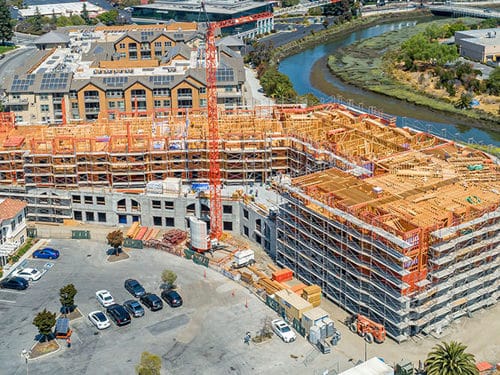
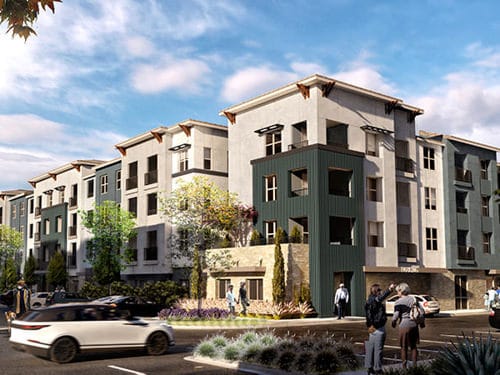
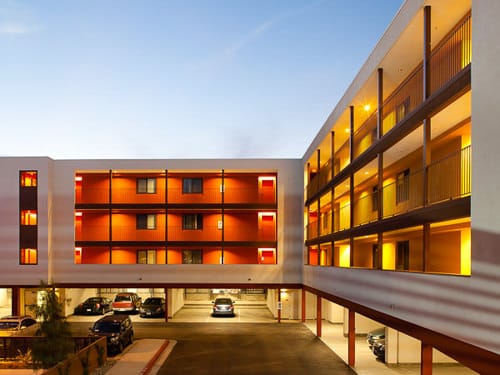
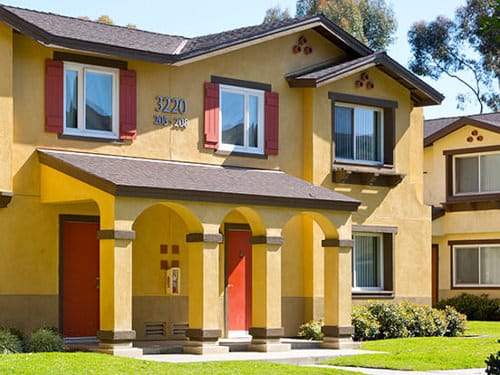
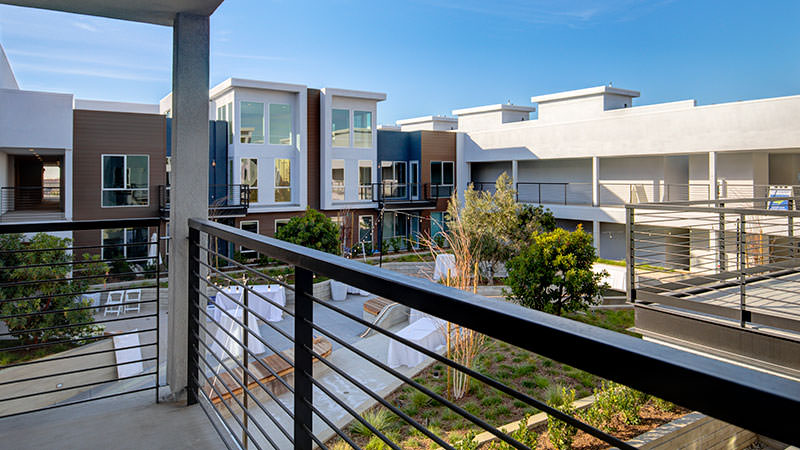
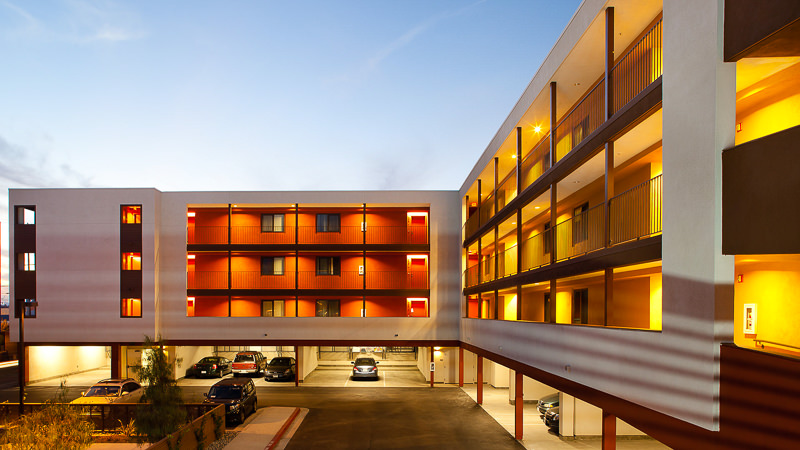
One of the most anxiety-inducing issues for those living in multifamily developments is access. Elevators and stairs pose their own potential issues, but anyone who has ever walked a 500’ closed corridor can imagine the sense of dread of hurrying to your door in hopes of finding fresh air. At Withee Malcolm we focus on efficient, beautiful design, but we look to wayfinding and indoor circulation as opportunities to break up larger developments with natural light, and whenever possible, natural ventilation. According to Principal and Director of Architecture Dirk Thelen, single loaded corridors, when open to the outdoors, offer the best, and easiest, access to fresh air and natural light. Single-loaded corridors also add community perks through enhanced security and connections through views to other floors and wider site lines beyond a development. Double loaded corridors, while beneficial for greater density potential and efficiency, can also be designed in ways to manage COVID concerns. Light wells with openings every 50-75’, operable windows placed strategically to break up long stretches, higher ceiling heights, or even transitions to single corridors are strategies we employ to increase access to natural air and light.
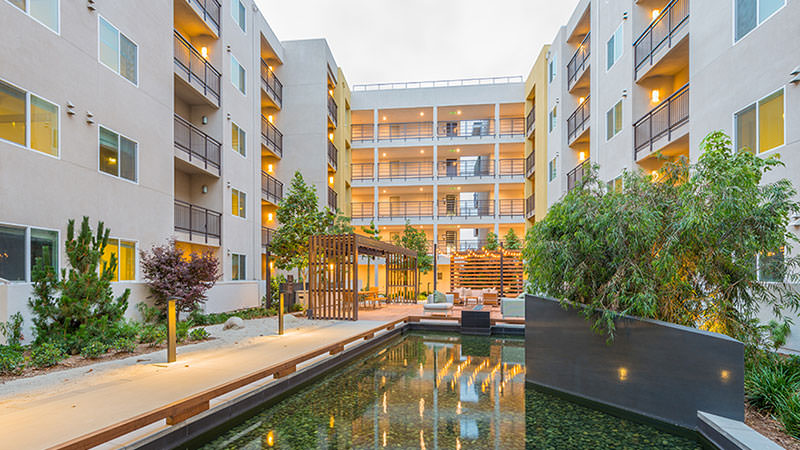
On several large-scale projects we have also looked at ways to break down larger masses into cohorts as a means of building community and creating connections between neighbors. This concept is one that was previously driven by community needs, but offers new health benefits as well. Small studio- and even micro-sized units that can be grouped into 12-15-unit blocks but with easy access to communal lounges, shared decks and laundry facilities translate into small neighborhoods that foster greater community and controlled environments for tenants.
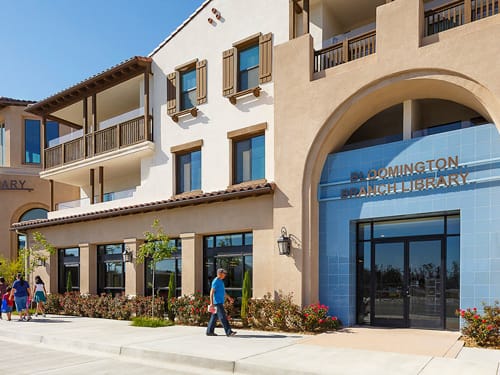
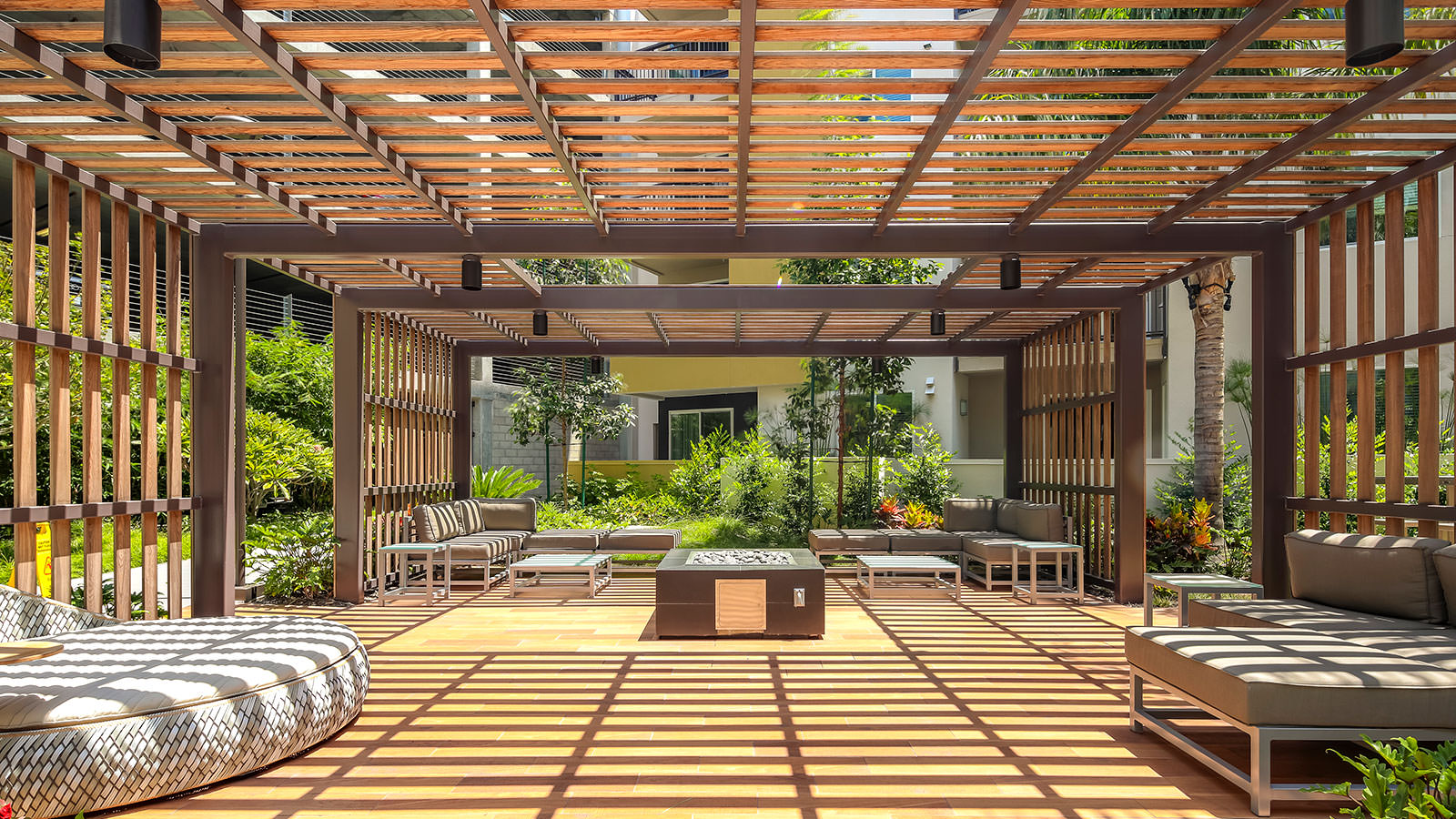
Other planning moves that give tenants a greater sense of control while adding to a sense of community include access, adjacency and functionality of community spaces, including outdoor gathering spaces. According to Founder Dan Withee, community space is becoming more valuable as outdoor space, even covered outdoor space. Developments have always, to one degree or another, competed on the type and quality of amenities. Community spaces are a part of the mix, but going forward our concerted awareness to provide multiple means of access or egress, flexibility that provides personal or communal gathering spaces with easy conversion between the two, and more intentional spaces for self-sustainability such as community gardens will become one of the defining factors of a property’s success. WM’s designers are already looking at small but insightful ways to extend these concepts beyond typical ground-floor community rooms or roof decks to laundry and mail rooms, and even co-working spaces.
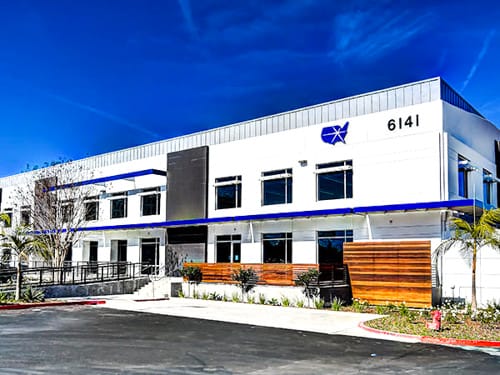
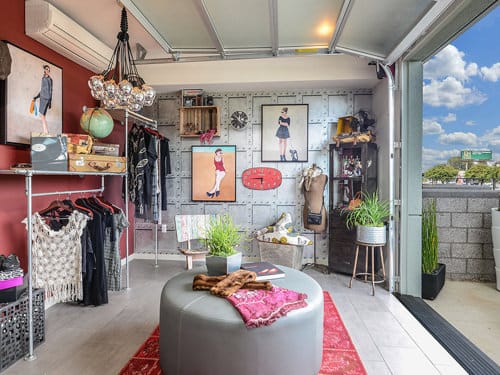
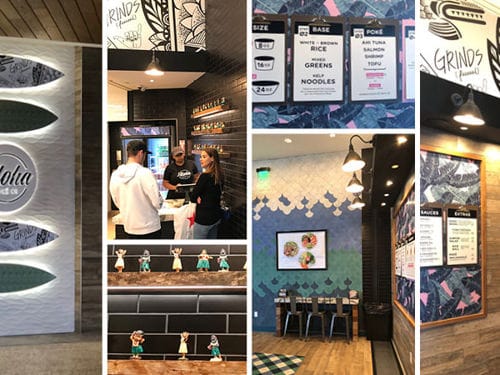
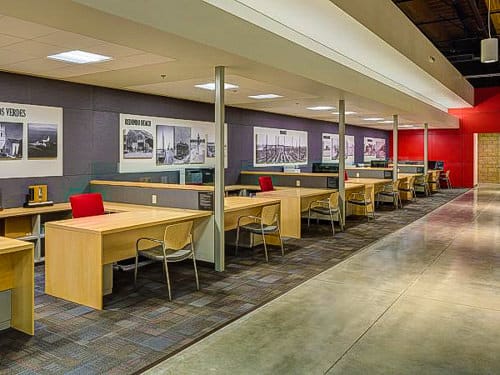
In alignment with these larger, long-range design considerations, Withee Malcolm is working with clients on immediate needs related to COVID. Our expectation of future pandemics and other natural and environmental disasters is translating to a design approach that fosters incremental change for greater flexibility. To that end, our interiors group is working with commercial clients on adjusted circulation routes and revised furniture layouts that alleviate single exit / single entrance chokepoints but still maintain security site lines. On commercial interior projects such as 1880 Century Park East, the group is also investigating antimicrobial ceramic tiles and other surfaces as well as LED lighting that can boost cleanliness and resistance to germ transmission.
Click to read Part 1 of the Series: Design for Flexibility
Click to read Part 3 of the Series: Planning for Better Cities
Previous Posts